
Hawaiian Food Guide: Traditional Dishes & Local Cuisine Explained
Complete guide to Hawaiian food and local island cuisine: poke bowls, plate lunch, poi, kālua pig, spam musubi, shave ice, loco moco, Kona coffee, malasadas, and more. Learn the cultural stories behind Hawaii's most iconic dishes.
Browse Hawaiian Food






Two food traditions in one place
Hawaiian food culture reflects two distinct but overlapping traditions. The first is traditional Native Hawaiian food, the dishes of the Kānaka Maoli (Native Hawaiians), built around kalo (taro) as the sacred staple, fish and seafood from the ocean, sweet potato (ʻuala), and pork slow-cooked in an underground imu oven. This is ancient cuisine with deep cultural and spiritual significance, tied to the land (ʻāina) and the Hawaiian creation story where taro is considered the elder brother of humanity.
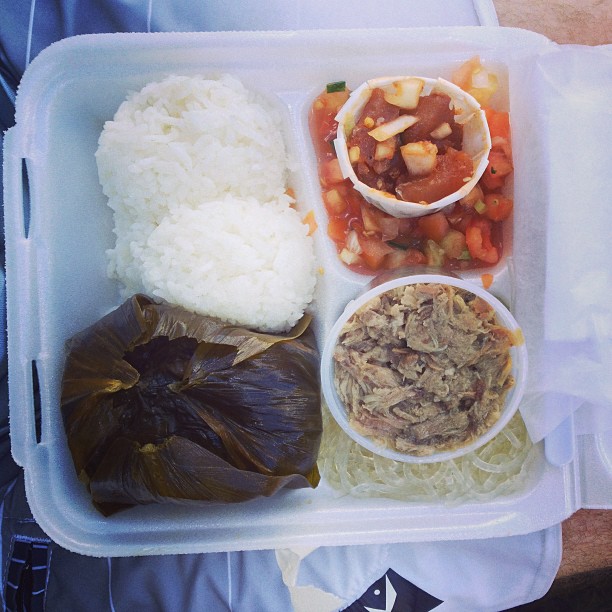
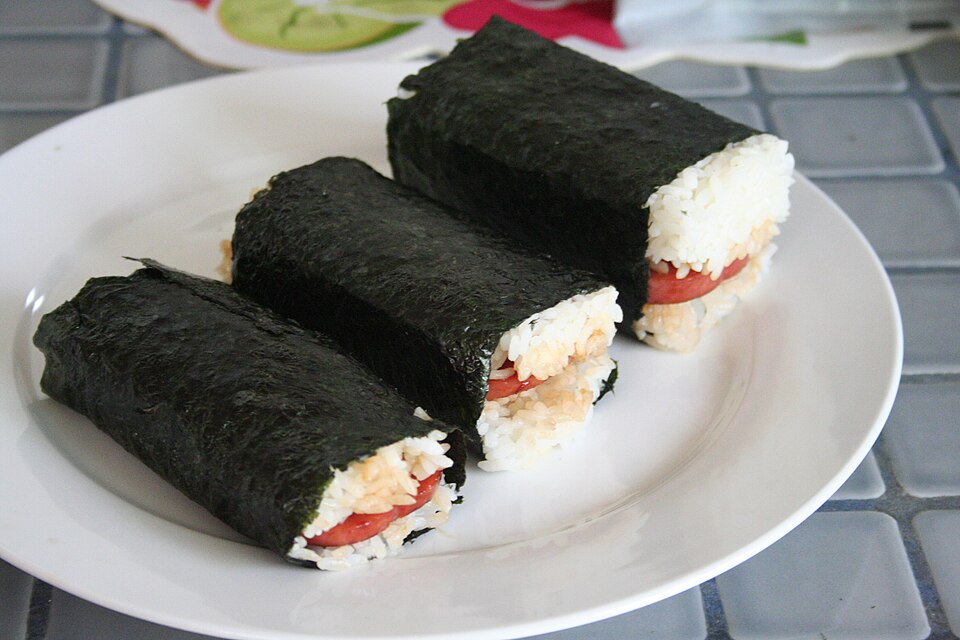
The second tradition is local food, the vibrant multicultural cuisine that emerged during Hawaii's plantation era (1850s-1950s) when workers from Japan, China, Okinawa, Korea, the Philippines, Portugal, and Puerto Rico brought their cooking traditions and ingredients. These cultures blended in plantation camps and lunch wagons, creating entirely new dishes: the plate lunch with two scoops rice and mac salad, spam musubi (a Japanese-American fusion), loco moco (invented in Hilo in 1949), and saimin (a noodle soup drawing from Japanese, Chinese, and Filipino traditions).
That cultural mix is why a single lunch counter might serve a Hawaiian plate lunch, Japanese-influenced spam musubi, and a bowl of poke. Understanding the difference between traditional Hawaiian food and local food helps you appreciate what you are eating, where it came from, and why these dishes matter culturally to the people who live here.
What to try first
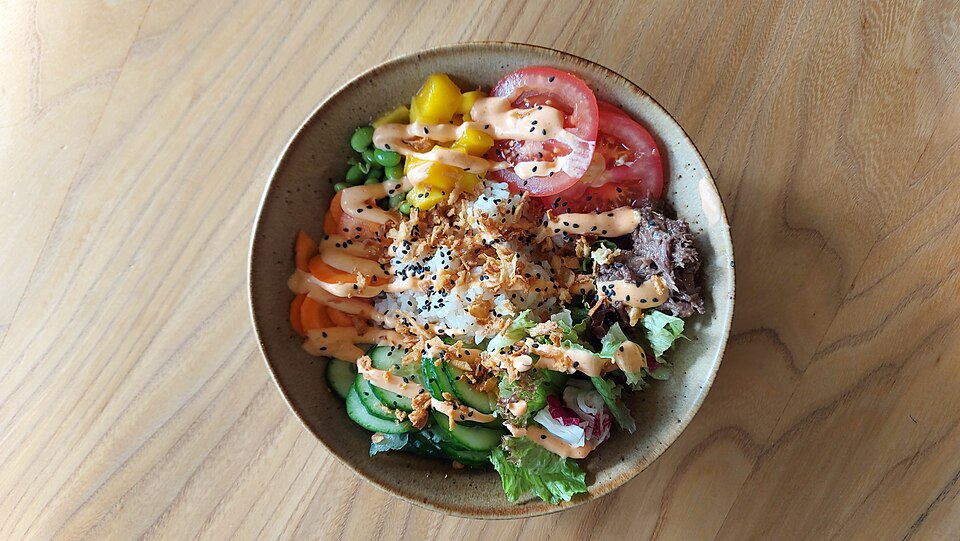
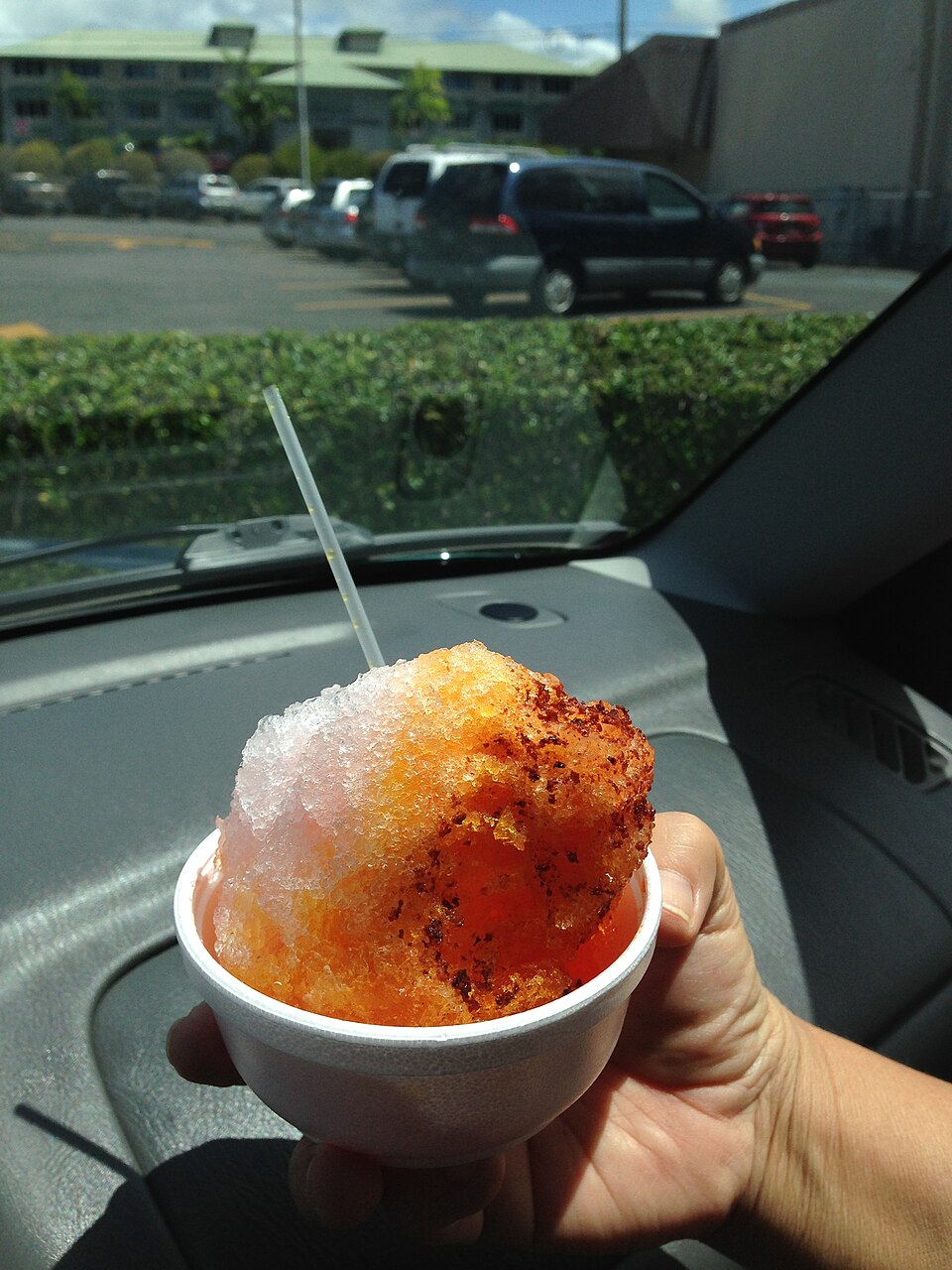
If you only have time to try a few dishes, start with a plate lunch from a family-run restaurant or food truck (it is the quintessential local food experience), a fresh bowl of poke (Hawaii's iconic raw fish dish), and shave ice after a hot day at the beach (finely shaved ice, not chunky like a snow cone). If you attend a Hawaiian luau, you will taste traditional Native Hawaiian dishes like kālua pig (cooked all day in the imu), laulau (pork and fish wrapped in taro leaves), lomi salmon (tomato and salmon salad), poi (pounded taro), and haupia (coconut pudding). Coffee lovers should seek out 100% Kona coffee, grown on the volcanic slopes of the Big Island and considered some of the world's finest. Do not settle for "Kona blend," which can legally contain as little as 10% Kona beans.
Eat local and support communities
The best food in Hawaii is often found at farmers markets, family-owned lunch spots that have been serving the same menu for decades, roadside food trucks, and mom-and-pop restaurants, not resort hotel restaurants or mainland chains. Eating at these places keeps money in local families and communities, supports small businesses, and gives you a far more authentic taste of Hawaii. Check out Hawaii farmers markets for fresh tropical fruit, local honey, and prepared foods. Our travel tips and Hawaii on a budget guide point to ways to eat incredibly well without overspending, and the individual island guides mention standout local food spots by region.