Mr Hilo

Coming to Hawaiʻi? Let's talk story.

Mr Hilo is your kamaʻāina friend on the mainland. Real guides to the islands, the culture, and the trip, written plainly, checked against official sources, and built with respect for the ʻāina and everyone who calls it home.

Start with an island

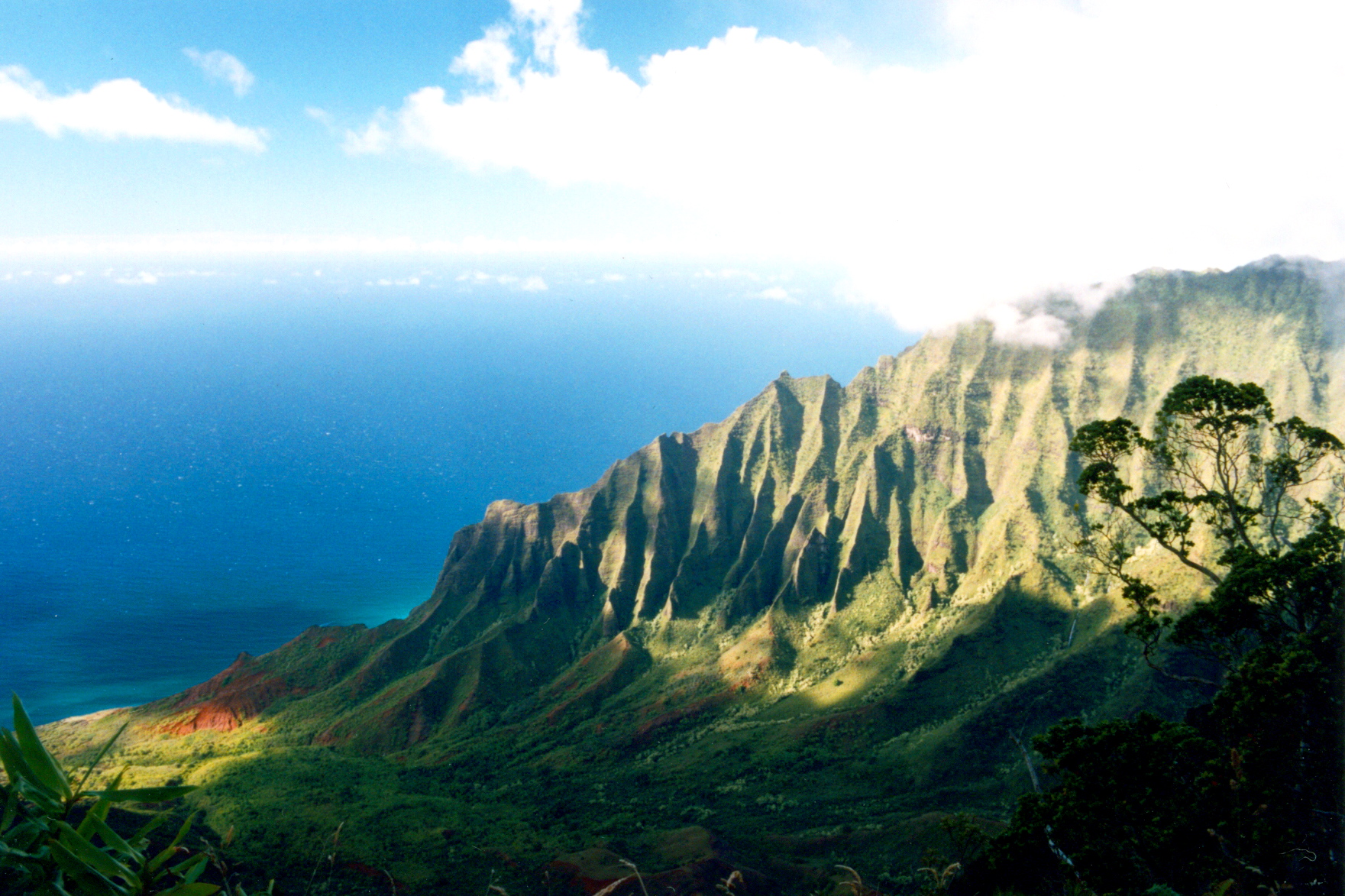
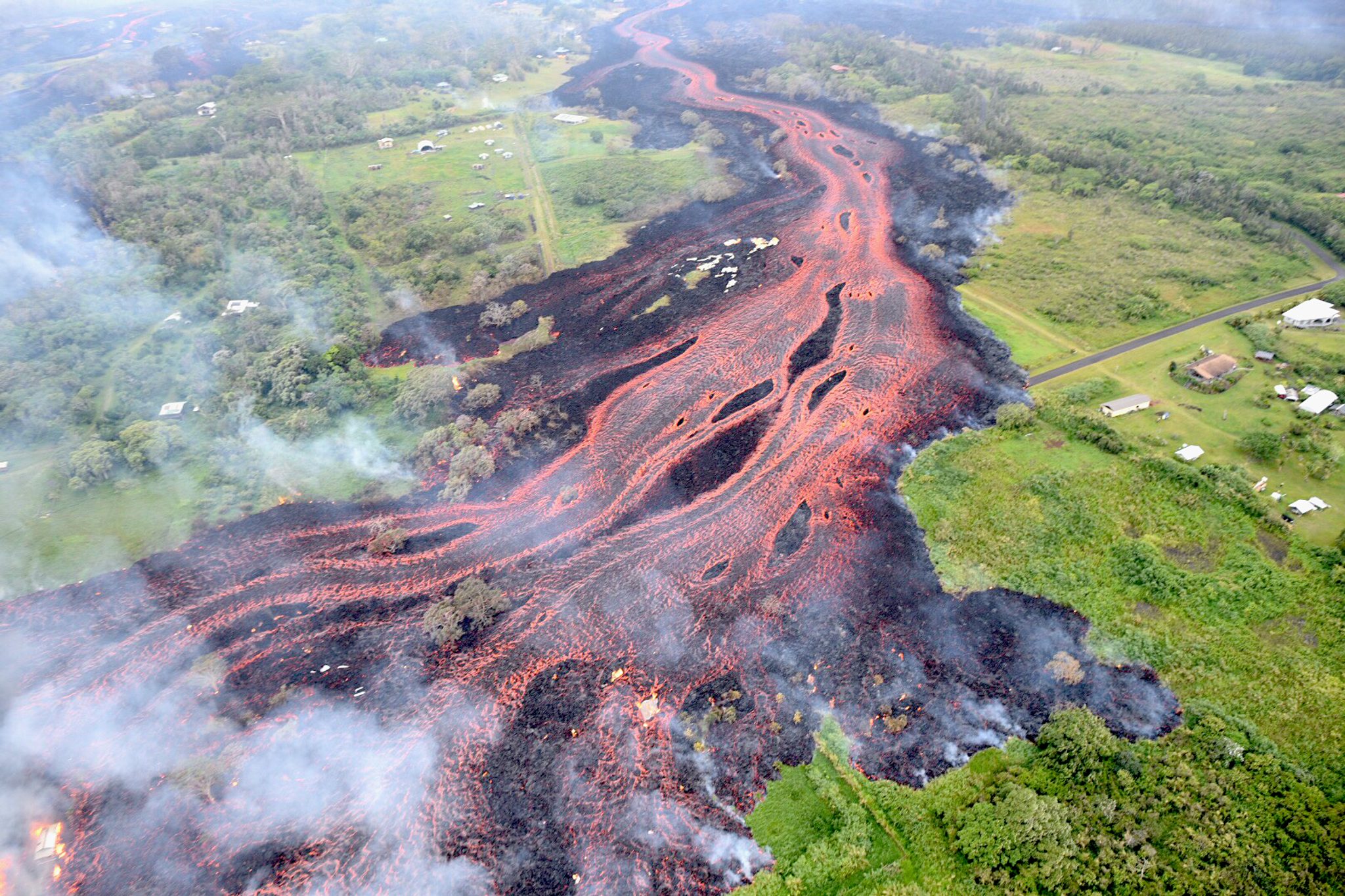
Four islands, four very different trips

Each Hawaiian island has its own character. Pick the one that fits how you want to travel, then plan around it.
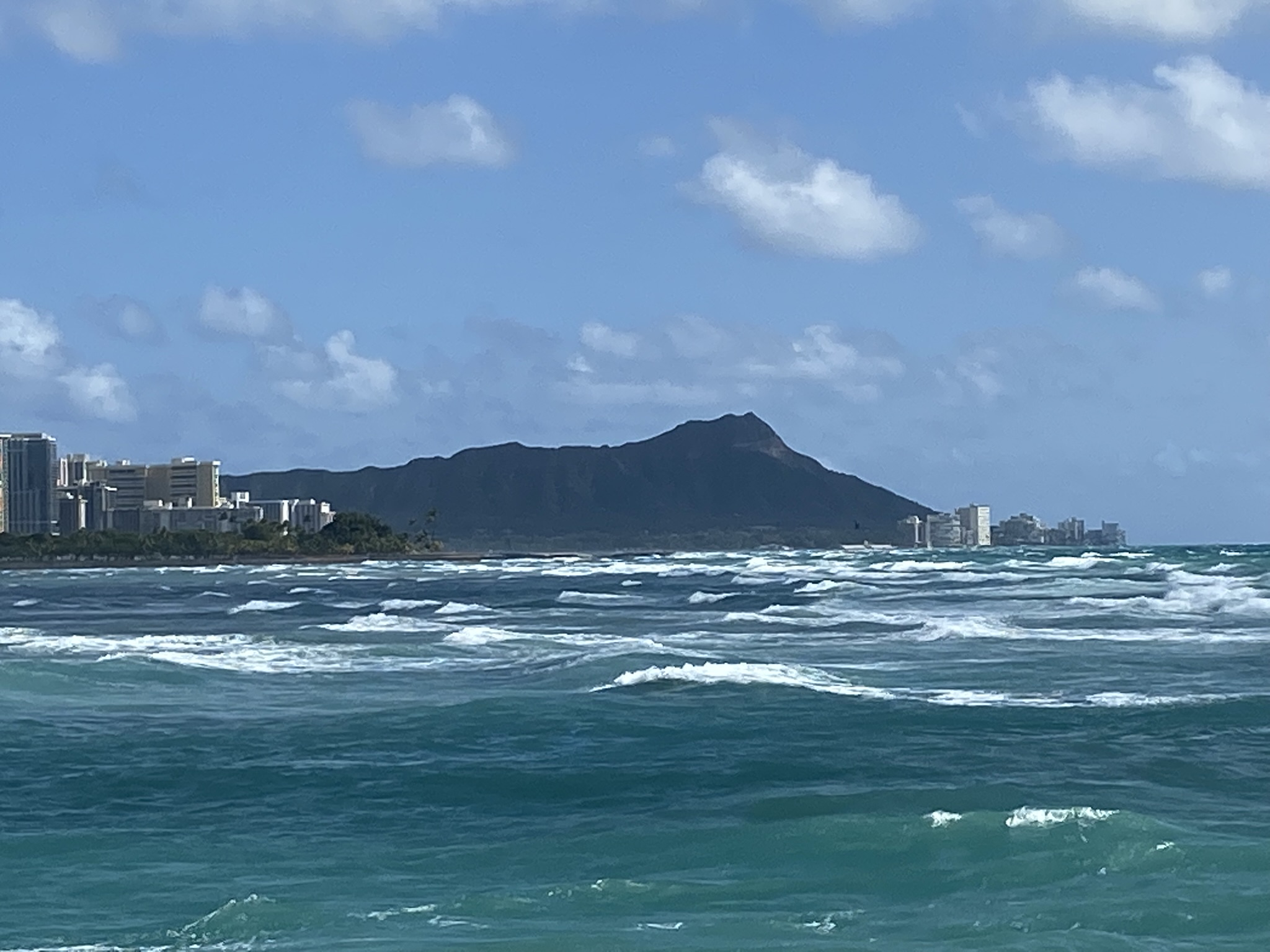

Hawaii also includes Molokaʻi (the Friendly Isle, home to a vibrant Native Hawaiian community), Lānaʻi (the Pineapple Isle, quiet and secluded), Niʻihau (a privately owned island closed to general visitors), and Kahoʻolawe (uninhabited and under restoration). Learn about all eight islands and what makes each one unique.

Explore all the islands

Pick your island

Oʻahu, Maui, Kauaʻi, the Big Island: each one is different. We help you find your fit.

Plan your trip

Best time to go, how long to stay, what things actually cost.

Travel with aloha

Understand the culture, care for the ʻāina, and leave the islands better than you found them.

Aloha is to learn what is not said, to see what cannot be seen, and to know the unknowable.
Widely attributed to Queen Liliʻuokalani, Hawaii's last reigning monarch

Aloha is more than a greeting. It is a way of treating people and place with care, and it is even written into Hawaii state law. Understanding it changes how a trip feels. Read what aloha really means.

Everything in one place

Every corner of Hawaii, in one place

Nine guides that cover the islands, the culture, and the practical side of a great trip. Start anywhere. Go deep everywhere.

Taste the islands

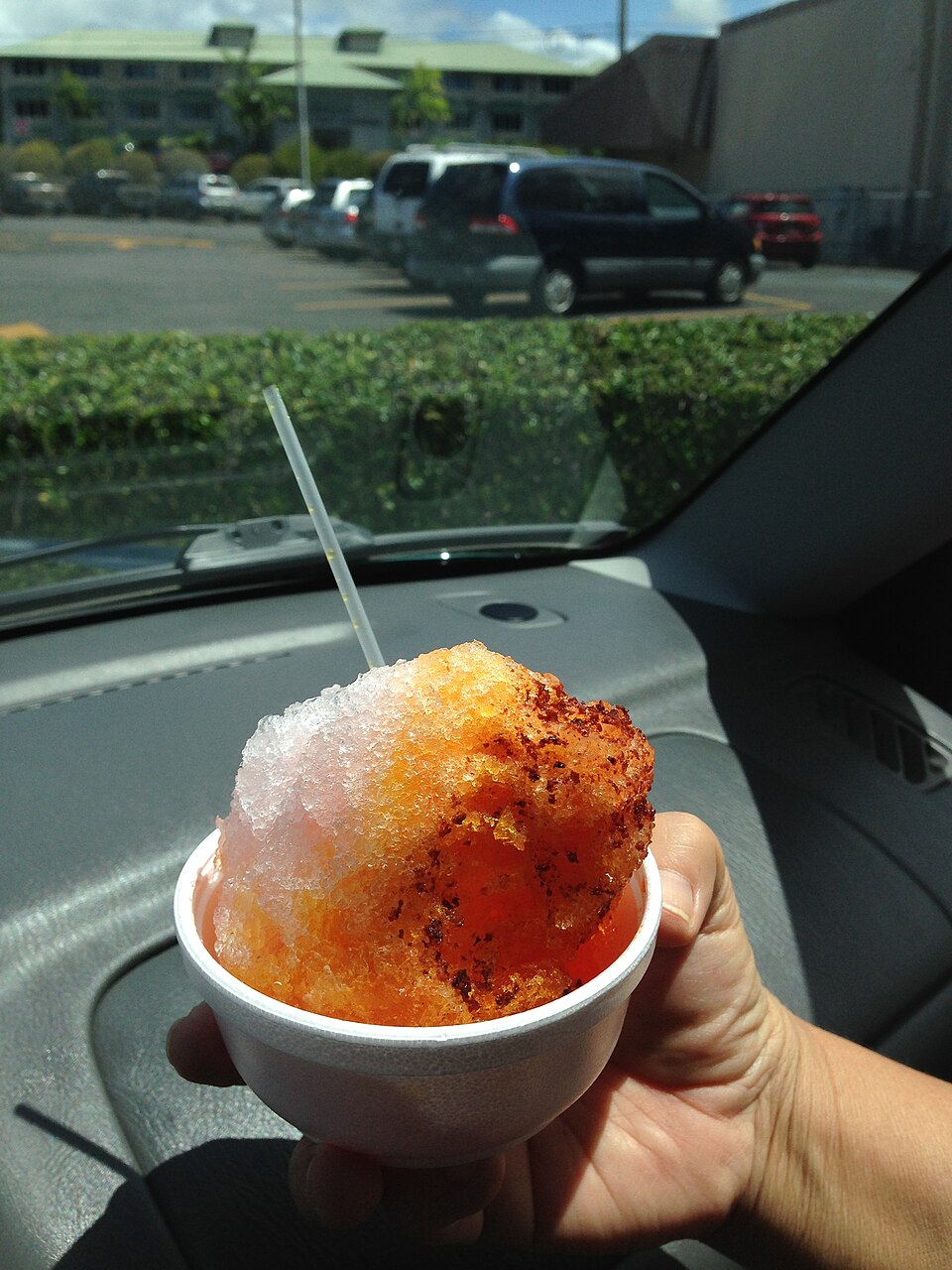
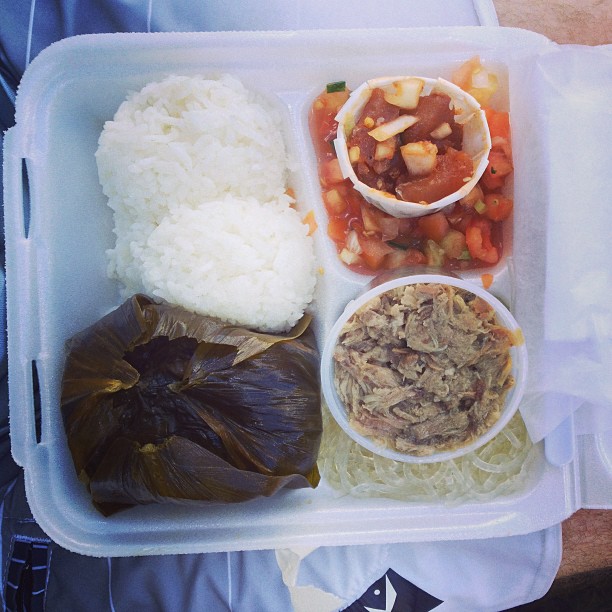
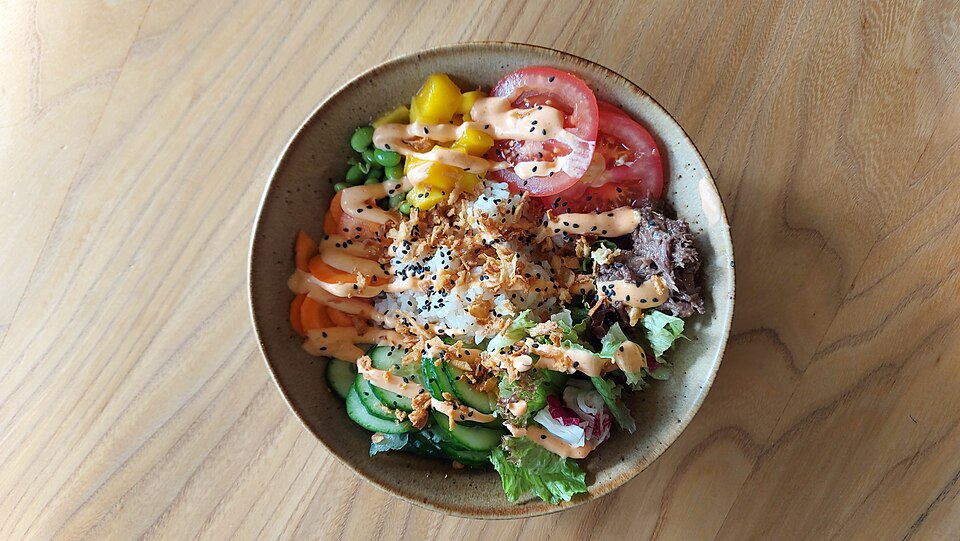
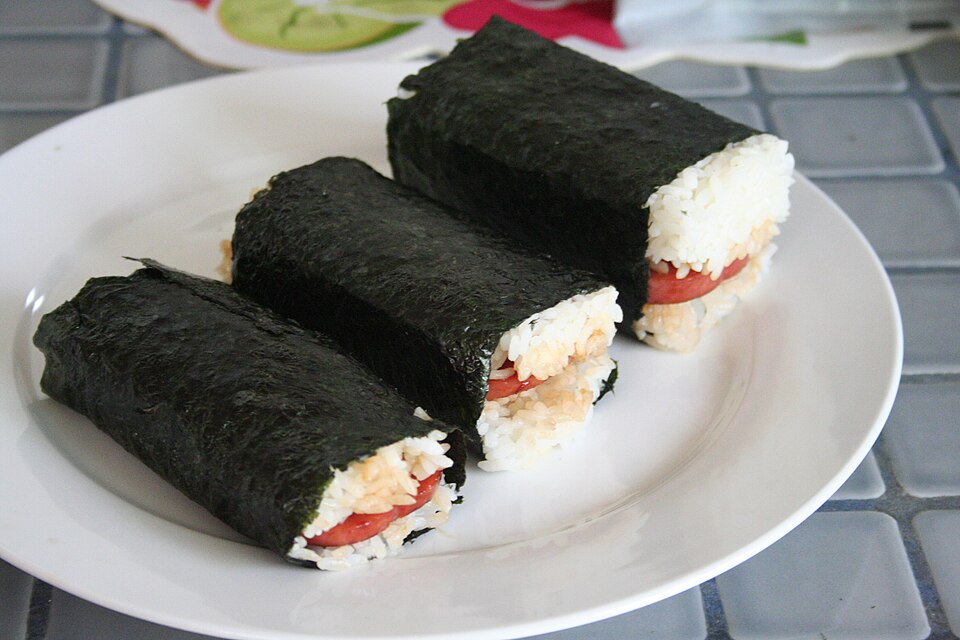
Hawaiian food you need to try

From traditional Native Hawaiian dishes to the multicultural cuisine of the plantation era, Hawaii's food tells the story of the islands.
Why trust Mr Hilo

Written like a friend, checked like a fact-checker

Accurate and cited

We check facts against the Hawaii Tourism Authority, the National Park Service, and the State of Hawaii. Every statistic links to its source.

Culturally respectful

We explain Hawaiian culture without appropriating it, and we point to Native Hawaiian voices for sacred and sensitive topics.

Genuinely useful

Short paragraphs, real prices, working links, and no filler. Guides you will actually want to share.

Hawaii travel deals

Travel with care

Love the islands, and help protect them

The best trips give something back. Start with trusted, official sources and simple ways to mālama, to care for the land, ocean, and people of Hawaii.

Frequently Asked Questions

Which Hawaiian island should I visit first?
For a first trip, most people choose Oʻahu for its perfect mix of city life, beaches, and history (Waikiki, Pearl Harbor, Diamond Head), or Maui for stunning scenery and the legendary Road to Hana. Kauaʻi offers dramatic natural beauty with the Nā Pali Coast, while the Big Island has active volcanoes and diverse climates. Our detailed guide on which island to visit compares all four main islands by interests, activities, and budget to help you choose.
What does aloha really mean?
Aloha means far more than hello or goodbye. It describes love, affection, compassion, and mutual respect for people and place. The aloha spirit is so important it is actually defined in Hawaii state law (Hawaii Revised Statutes §5-7.5) as a cultural value that guides how residents and visitors should treat each other and the land. Understanding aloha transforms how you experience Hawaii. Read the full explanation with historical context on our aloha spirit page.
When is the best time to visit Hawaii?
Hawaii has beautiful weather year round with temperatures averaging 75 to 85°F. The best values and fewer crowds come during shoulder seasons from late April to early June and September to mid-December. Peak season (summer and Christmas/New Year) brings higher prices and more visitors. Winter (December to April) is whale watching season. See our comprehensive best time to visit guide for month-by-month weather, pricing, and crowd comparisons.
How can I travel Hawaii respectfully?
Learn a few basic Hawaiian words and their meanings, follow all posted rules at beaches and sacred sites, use only reef-safe sunscreen to protect coral, support local businesses and restaurants, and participate in mālama (give-back) programs. Simple gestures like staying on marked trails and respecting wildlife make a real difference. Our respectful tourism guide explains the cultural practice of mālama and how visitors can care for the land, ocean, and people of Hawaii.
How much does a Hawaii vacation cost?
A week-long Hawaii vacation for two typically costs $3,000 to $5,000 for mid-range travel (flights, hotel, car, food, activities) or $5,000 to $10,000+ for luxury. Budget travelers can do it for $2,000 to $3,000 by staying in vacation rentals, cooking some meals, and choosing free activities. Flights are usually $300 to $800 per person depending on season and departure city. Check our Hawaii on a budget guide for detailed cost breakdowns and money-saving tips.
Do I need a car in Hawaii?
It depends on the island and your plans. On Oʻahu, you can manage without a car if staying in Waikiki using buses and tours. On Maui, Kauaʻi, and the Big Island, a rental car is highly recommended because attractions are spread out and public transit is limited. Many of the best beaches, hiking trails, and scenic drives require your own transportation. Book rental cars early for the best rates.