
Islands
Niʻihau: The Forbidden Island of Hawaii
What Niʻihau, the Forbidden Island, is, why it is closed to outsiders, its role in preserving the Hawaiian language, and whether you can visit it.
Niʻihau is the smallest inhabited main Hawaiian island and the one most closed to the outside world, which is why it is called the Forbidden Island. It is privately owned and has been largely off-limits to outsiders since 1915. A small Native Hawaiian community lives there, and it is not a visitor destination.
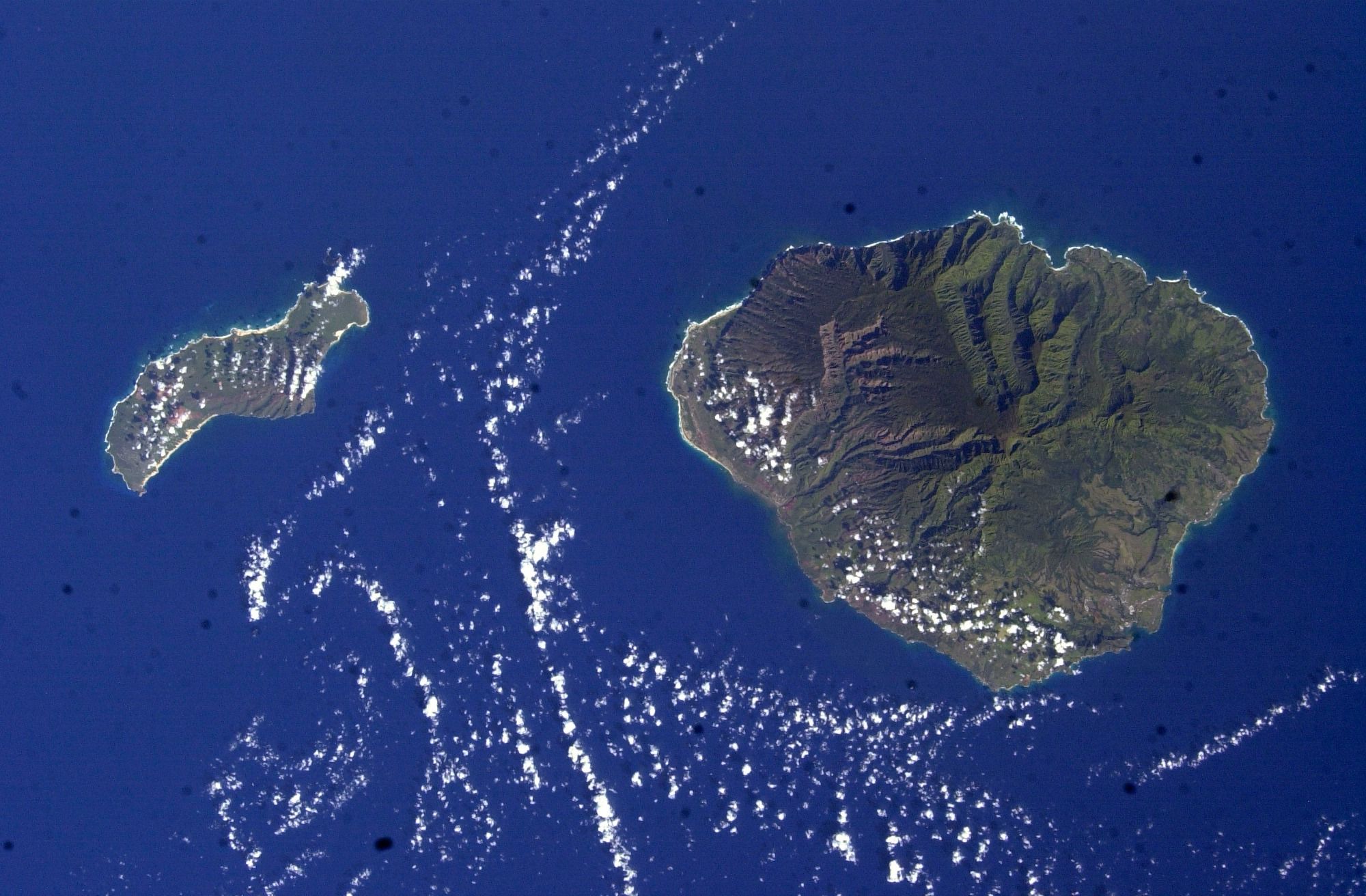
What Niʻihau is
Niʻihau lies southwest of Kauaʻi. It has no paved public roads, no regular stores, and a tiny population. Life there is rural and traditional, and the island is intentionally kept apart from the development seen on the other Hawaiian islands.
Why it is called forbidden
The island has been privately held since 1864, when it was purchased from the Kingdom of Hawaii. Its owners restricted access starting in 1915, partly to protect the residents and their way of life. That long-standing limit on outsiders earned it the "Forbidden Island" nickname.
Language and shell lei
Niʻihau is one of the few places where ʻŌlelo Hawaiʻi, the Hawaiian language, has remained the main daily language rather than being revived. The island is also famous for Niʻihau shell lei, delicate necklaces made from tiny shells that can be genuine heirlooms, as noted in our guide to the Hawaiian lei.
Can you visit?
Not in the usual sense. General tourism is not permitted. Limited helicopter tours and hunting safaris run by the island's owners visit specific areas without contact with residents, but you cannot travel there freely. The best way to honor Niʻihau is to respect its privacy and appreciate it as a rare example of cultural preservation, in the spirit of respectful travel.
Frequently Asked Questions
What is the Forbidden Island of Hawaii?
Can tourists visit Niʻihau?
Why is Niʻihau important?
We research each guide against primary sources: the Hawaii Tourism Authority and Mālama Hawaii, the National Park Service, the State of Hawaii and its Division of State Parks, the National Weather Service, and the U.S. Census. For culture, language, and history we lean on the Office of Hawaiian Affairs, the Bishop Museum, and the scholarship of Mary Kawena Pukui. We send readers to those sources rather than speaking over them. When rules, prices, or conditions change, we update the page.