
Islands
Molokaʻi Travel Guide: The Most Hawaiian Island
A respectful guide to Molokaʻi: what the island is known for, what to see, how to travel it with care, and how to plan a quiet, meaningful visit.
Molokaʻi is often called the most Hawaiian of the islands, and the people who live there take that seriously. It has the highest proportion of Native Hawaiian residents of any main island, a deeply rural pace, and very few resorts - by the community's deliberate choice. Travelers who come here for quiet, culture, and genuine nature, rather than amenities and organized activities, find a side of Hawaii that has largely disappeared from the other islands.
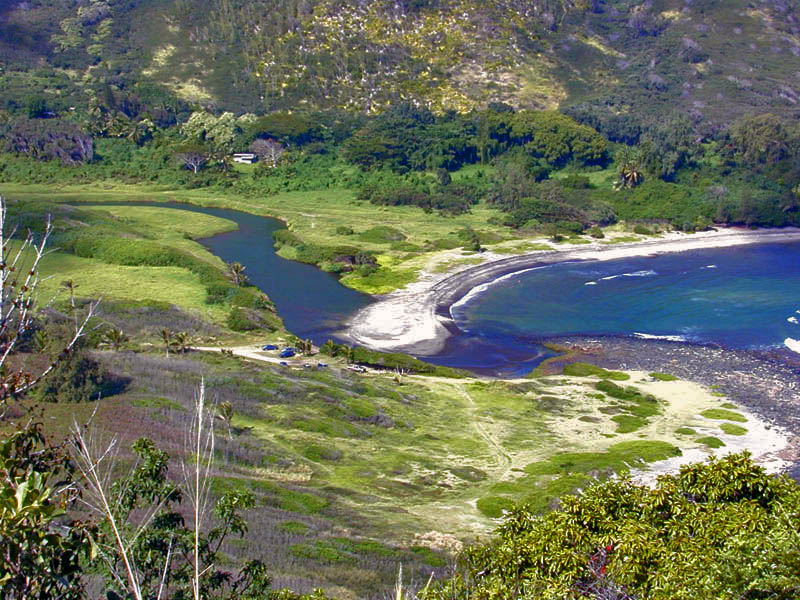
Molokaʻi overview
Molokaʻi is small and almost entirely undeveloped, reached by a short inter-island flight into Molokai Airport (MKK) or by ferry from Maui. There are no traffic lights on the island. Services are limited by design - one grocery store, a handful of restaurants, no resort hotels in the conventional sense. That is not a shortcoming. It is the island protecting its character. Visitors are asked to fit into that character rather than expecting the island to bend to their preferences.
What to see
The most significant site on Molokaʻi is the Kalaupapa peninsula - a place of profound and painful history where people diagnosed with Hansen's disease (leprosy) were forcibly isolated beginning in 1866. Today it is a national historical park, accessible by permit only, with visitor numbers strictly limited. The experience is moving in a way that few places in Hawaii match. The island also has the world's tallest sea cliffs on its north shore, the Halawa Valley with its ancient fishponds (best visited with a local cultural guide), and miles of quiet coastline largely to yourself.
Travel gently here
Molokaʻi has actively resisted large-scale tourism and continues to do so. Support local businesses, follow the guidance of residents, and treat the island as someone's home rather than a destination to consume. The aloha here is genuine - and it is offered on the island's terms.Traveling respectfully
Nowhere in Hawaii is the call for mālama more directly felt than on Molokaʻi. Learn something about the culture before you arrive, ask permission rather than assuming access, slow down, and listen. The reward for this approach is access to a Hawaii that most visitors never see.
Planning your visit
Book accommodation well in advance - the options are genuinely limited. Many visitors come as a carefully considered overnight stay or a short, intentional visit rather than a base for activities. Compare Molokaʻi with the other islands in which island to visit, and read island hopping for the practical logistics of getting here and moving on.
Planning a Hawaii trip?
Find the best flights and hotels across all islands.
Frequently Asked Questions
What is Molokaʻi known for?
Is Molokaʻi good for tourists?
How do you get to Molokaʻi?
We research each guide against primary sources: the Hawaii Tourism Authority and Mālama Hawaii, the National Park Service, the State of Hawaii and its Division of State Parks, the National Weather Service, and the U.S. Census. For culture, language, and history we lean on the Office of Hawaiian Affairs, the Bishop Museum, and the scholarship of Mary Kawena Pukui. We send readers to those sources rather than speaking over them. When rules, prices, or conditions change, we update the page.